Step zero: mark moments while you record
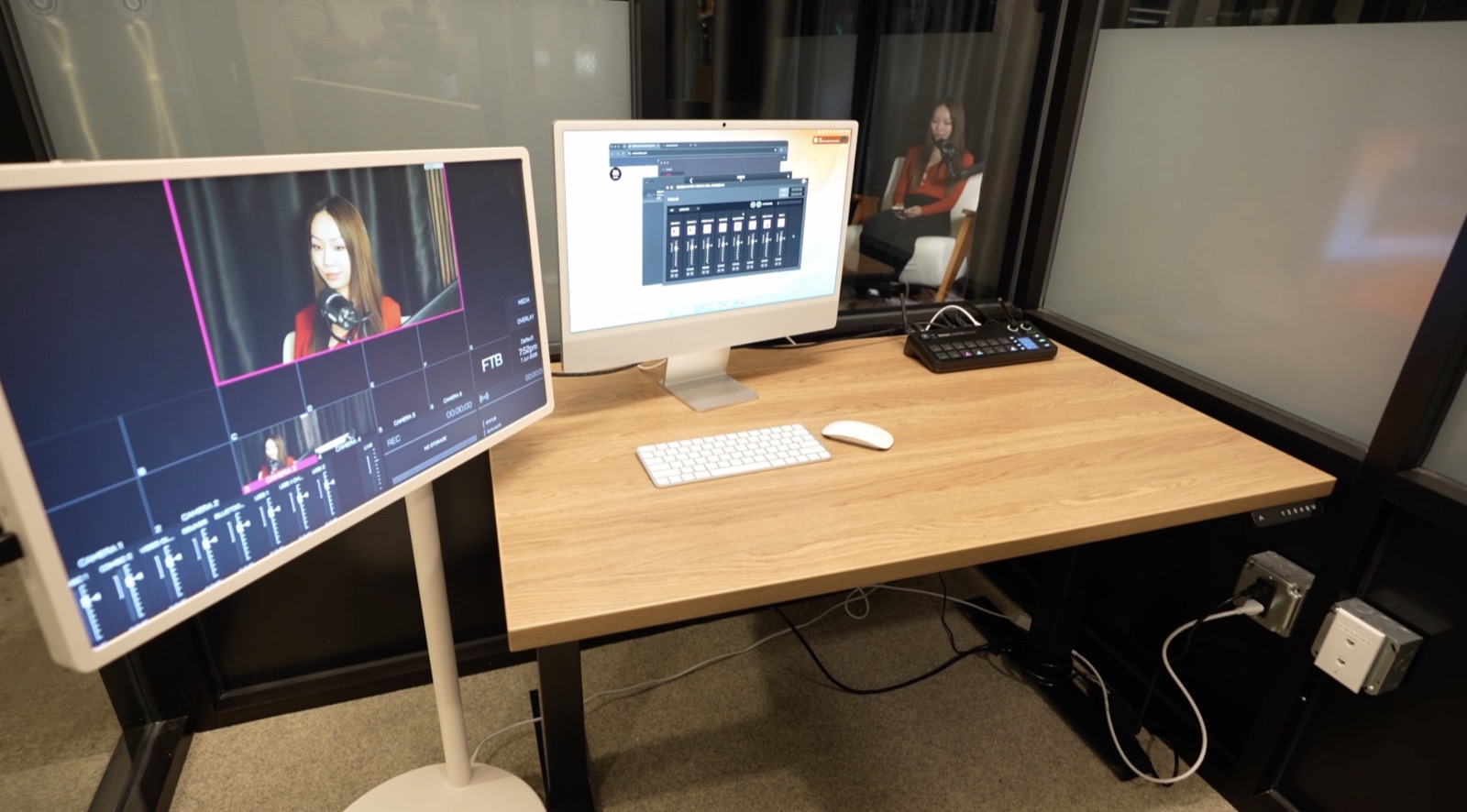
Most creators hunt for clips after the fact, scrubbing an hour of tape and finding four. The fix happens during the session. In our broadcast room, your engineer sits at the switcher with a run sheet and timestamps every moment that lands: a laugh, a bold claim, a clean explanation. The RØDECaster clock makes the timestamps exact. You walk out with raw 4K, separated audio, and a marker list that is already half the edit.
Recording at home, you can approximate this: keep a notepad open and jot the timecode every time a moment feels alive. Ten seconds of note-taking saves an hour of scrubbing.
The clip taxonomy: three types, thirty clips
Hooks · about 10 per episode
Bold claims, surprising numbers, contrarian first lines. These clip at 15 to 40 seconds and open with the strongest sentence, even if it came mid-answer. A hook clip earns the follow, so spend the most editing care here: punch in tight, caption every word, cut the first two seconds of wind-up.
Answers · about 12 per episode
Self-contained explanations that run 45 to 90 seconds: a framework, a story with a point, a how-to in miniature. Answers carry LinkedIn and YouTube Shorts because they deliver value on their own. Title them as the question the viewer is silently asking.
Reactions · about 8 per episode
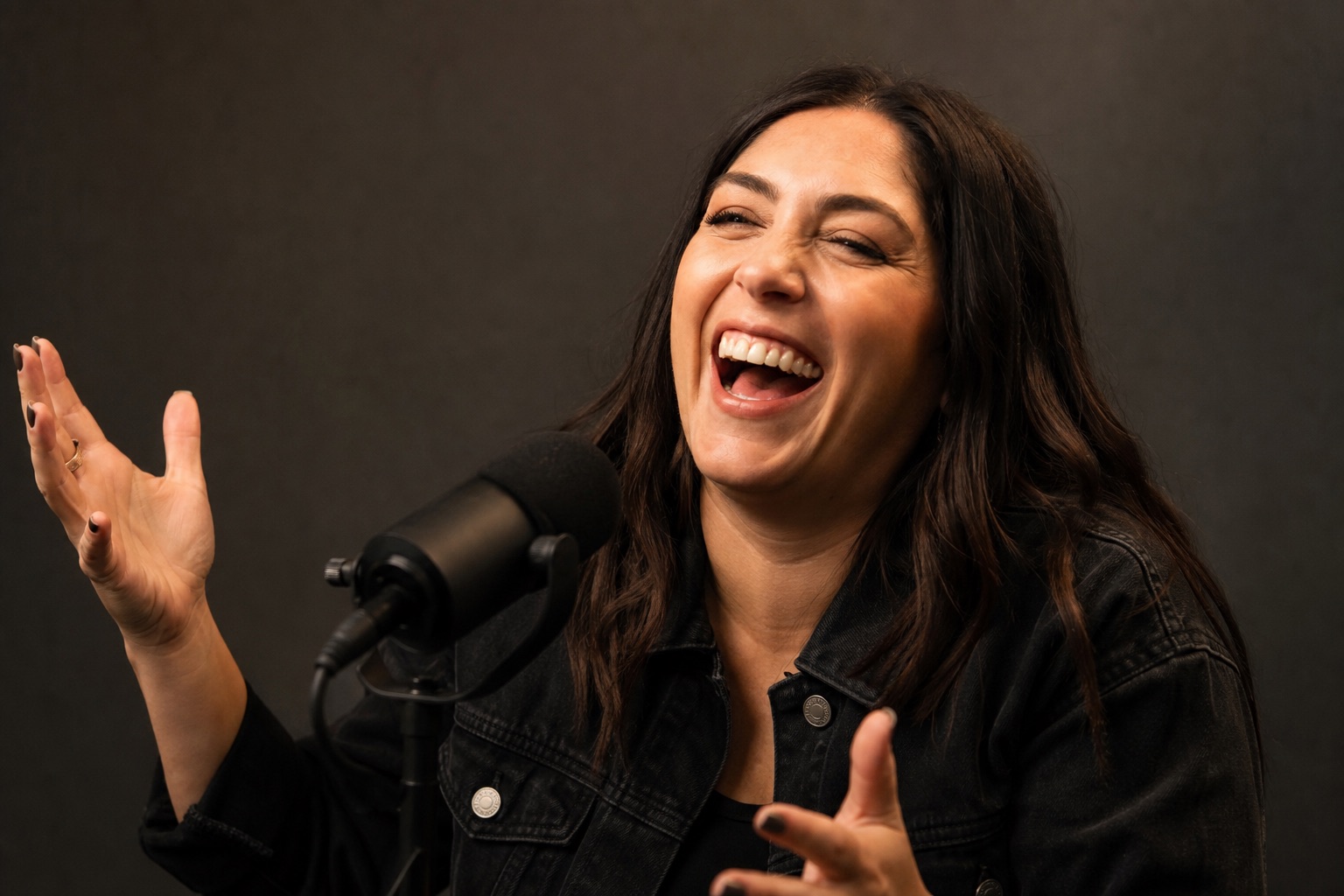
Laughs, disagreements, the guest pushing back, the host conceding a point. These clip at 20 to 45 seconds and perform because they feel unscripted. Multicam footage doubles their value: cutting to the listener's face is the whole joke half the time. Our piece on multicam versus single camera setups covers why coverage matters for exactly these moments.